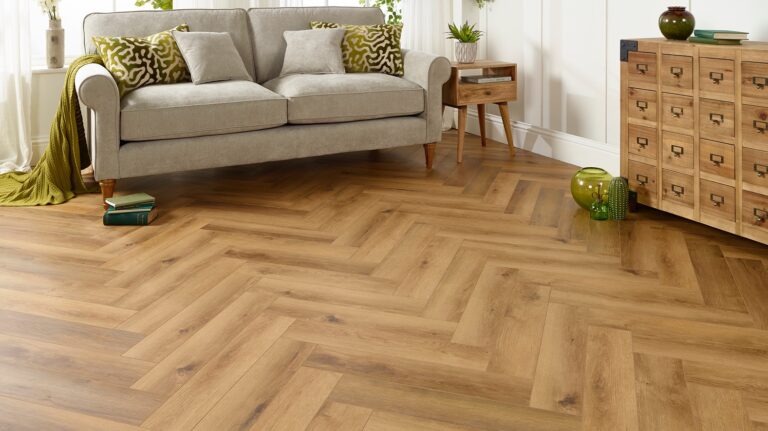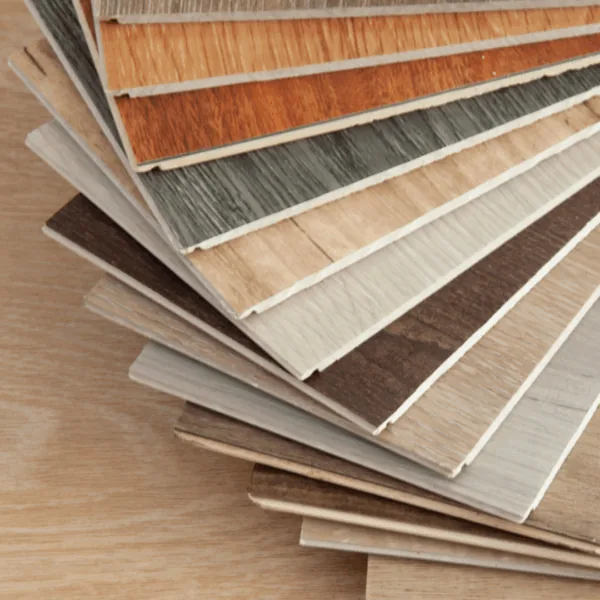
We get the same request several times a month: a homeowner in Summerlin or Spring Valley falls in love with a wide-plank solid oak floor from a design show filmed in, say, North Carolina or Oregon, and wants the same thing installed in their Las Vegas home. Almost every time, once we explain what our climate does to solid wood, they end up thrilled with engineered hardwood instead — and their floor stays flat.
Slab Foundations Plus Desert Humidity Swings: A Bad Combination
Solid wood flooring is manufactured, sold, and warrantied with an assumption baked in: it will live in a home where relative humidity stays in a fairly narrow, moderate band year-round, often with a crawlspace or basement underneath to help regulate moisture. Neither of those conditions describes a typical Las Vegas home. Humidity here can swing from under 10% during peak summer to a brief spike during monsoon storms, and the overwhelming majority of homes across Henderson, Summerlin, and Southern Highlands are built directly on concrete slabs with no ventilated space below the floor at all.
What Actually Happens to Solid Wood Here
- Cupping — the edges of each plank rise higher than the center as the wood absorbs moisture unevenly from the slab below.
- Gapping — as the desert dry season sets in, planks lose moisture and shrink, opening visible gaps between boards.
- Cracking and splitting — repeated expansion and contraction cycles, especially near sun-exposed windows or vents, can eventually crack individual planks.
- Finish failure — surface finishes that aren't designed for this kind of movement can craze or peel at the seams over time.
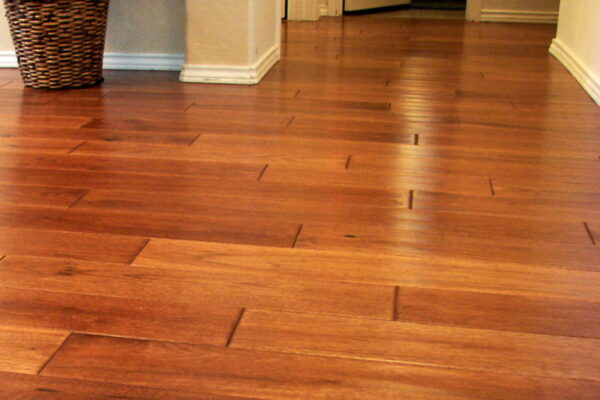
Engineered Hardwood: Same Look, Built for the Desert
Engineered hardwood uses a real hardwood wear layer bonded over a cross-layered plywood or composite core. That layered construction is specifically designed to resist the expansion and contraction that damages solid wood, which makes it a far more reliable choice for slab-on-grade construction and low-humidity climates like ours.
- Looks and feels like solid hardwood — same real wood surface, same refinishing options in most cases.
- Handles the humidity swings of a Las Vegas summer-to-monsoon transition without cupping or gapping.
- Installs directly over a concrete slab with the right underlayment, no crawlspace required.
- Typically comes in at $8 to $14 per square foot installed, often less than a comparable solid wood job once acclimation and repair callbacks are factored in.
FAQ: Solid Wood, Engineered Wood, and Las Vegas Homes
- Is there any situation where solid hardwood works here? Occasionally, in a climate-controlled room with tightly managed humidity and no slab contact, but it's rare and requires ongoing maintenance most homeowners don't want to take on.
- Will engineered hardwood hold up to Vegas heat as well as LVP? It holds up well in rooms away from direct pool splash-out and heavy sun; for pool-adjacent rooms we'd usually point you toward luxury vinyl plank instead.
- Can I refinish engineered hardwood like solid wood? Many engineered products with a thicker wear layer can be lightly sanded and refinished once or twice — we'll tell you exactly what a given product allows during your estimate.
- Does acclimation still matter for engineered hardwood in Vegas? Yes, we still acclimate material to your home before installation, just with far less risk than solid wood.
Thinking about hardwood for your Las Vegas home? Let's look at your space in person and talk through what will actually hold up.
Schedule a Free EstimateSolid hardwood isn't a bad product — it's just built for a different climate. If you want that warm, authentic wood look in a home that's going to sit on a slab through another 110-degree July, engineered hardwood is the honest recommendation, not just the convenient one.